You Are Not Starting Over After Military Service
When the uniform comes off, the world may stop recognizing your rank and experience. That can feel like starting over. But veterans are not beginning again with nothing — the challenge is learning how to translate what you already have.
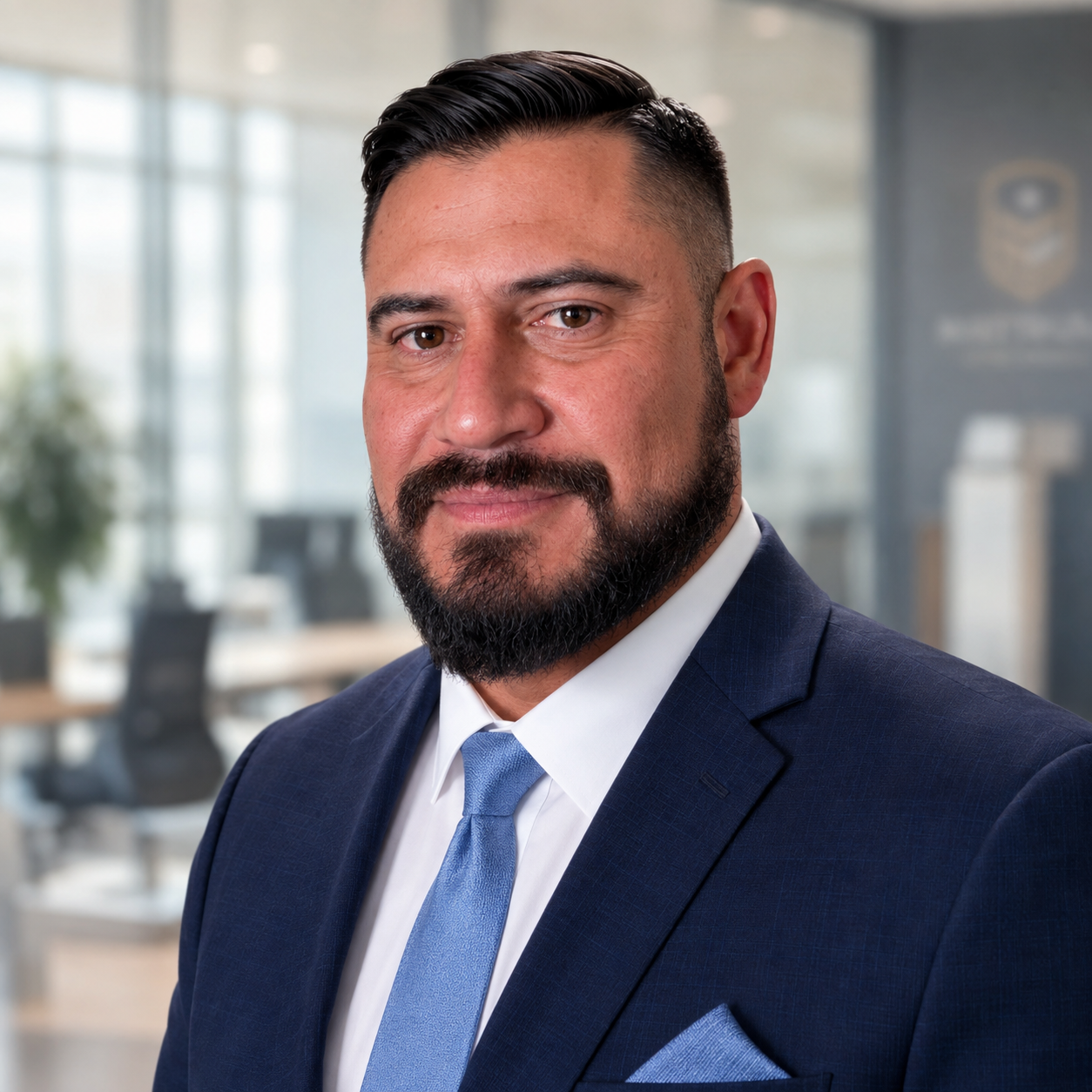 Matthew Gomez
When the uniform comes off, the world may stop recognizing the rank, responsibility, and experience that once introduced you.
That can feel like starting over.
You walk into a civilian workplace and no one knows what your title meant, what your unit accomplished, or what it took to lead people through the situations you faced. The credibility you spent years building does not automatically transfer. The structure you operated within no longer exists. The language you used to communicate expectations, standards, and accountability may not land the same way.
It is disorienting. And for many veterans, it is one of the hardest parts of the transition.
But here is what I want you to understand: you are not starting over with nothing.
The leadership, discipline, accountability, resilience, and commitment to service that military experience develops are real. They are valuable. The challenge is not that those strengths disappeared when you left the military. The challenge is learning how to recognize them, translate them into civilian language, and adapt them to a culture that operates differently.
What the Civilian World Does Not Automatically See
Military service builds capabilities that most civilian professionals spend entire careers trying to develop.
You have led people through high-pressure situations with incomplete information and real consequences. You have been accountable for the performance, welfare, and development of the people under your charge. You have operated within complex organizations, managed competing priorities, and delivered results under conditions that most civilians have never encountered.
But the civilian hiring process does not always know how to read that experience.
A resume that lists military titles, unit designations, and operational accomplishments may not communicate clearly to a hiring manager who has never served. An interview answer that describes leading a platoon may not connect with a recruiter who is trying to assess whether you can manage a team of five in a corporate environment.
The gap is not in your experience. The gap is in translation.
The Transition Is a Leadership Challenge, Not a Starting Point
One of the most damaging beliefs a veteran can carry into a civilian career is the idea that military experience does not count — that the civilian world requires starting from zero and proving yourself all over again.
That belief leads to undervaluing your background, accepting roles below your capability, and approaching the job search from a position of weakness rather than strength.
The transition is not a reset. It is a leadership challenge.
You are being asked to take the strengths you developed in one environment and apply them effectively in a new one. That requires self-awareness, adaptability, and the willingness to learn a new culture without abandoning what made you effective in the first place.
That is not starting over. That is leadership development.
A Framework for Carrying Military Strengths Forward
1. Inventory What You Actually Built
Before you can translate your experience, you have to understand it clearly yourself.
Military service develops specific, transferable capabilities. Think through what you actually did — not just your title or your unit, but the work itself.
- How many people did you lead, develop, or be responsible for?
- What decisions did you make, and what were the stakes?
- What processes did you build, improve, or sustain?
- What problems did you solve, and how did you solve them?
- What results did your team produce under your leadership?
Write it down in plain language. Not military language — plain language. If someone who never served could not understand it, rewrite it until they can.
2. Translate, Do Not Abandon
The goal is not to pretend your military experience did not happen. The goal is to communicate it in a way that civilian employers can understand and value.
A few examples:
- "Led a platoon of 35 soldiers" becomes "Managed, developed, and was accountable for a team of 35 people responsible for mission-critical operations."
- "Served as a senior NCO responsible for training and readiness" becomes "Oversaw training programs, performance standards, and operational readiness for a team of 20."
- "Deployed in support of overseas contingency operations" becomes "Operated in high-pressure, resource-constrained environments requiring rapid decision-making and cross-functional coordination."
The experience is the same. The language makes it accessible.
3. Adapt Without Losing Your Standards
One of the most common frustrations veterans experience in civilian workplaces is the difference in culture, pace, and accountability.
Civilian organizations often move more slowly. Decision-making can be less clear. Accountability structures may be less defined. Standards that were non-negotiable in the military may feel optional in a corporate environment.
This is real. And it can be genuinely frustrating.
But the answer is not to force a civilian organization to operate like a military unit. The answer is to adapt your approach while maintaining your standards.
You can hold yourself to a high standard without demanding that everyone around you operate the same way immediately. You can model accountability without creating an adversarial dynamic. You can bring discipline and follow-through to your work without treating every deviation as a failure of character.
Influence in a civilian environment is built through demonstrated value, consistent behavior, and earned trust — not through rank or authority.
4. Find the Mission in the Work
Military service gives people a clear sense of purpose. The mission matters. The work connects to something larger than a paycheck or a performance review.
That sense of purpose does not have to disappear in a civilian career.
Look for the mission in the work you do. Who does your organization serve? What problem does it solve? How does your role contribute to an outcome that matters?
If you cannot find a meaningful answer to those questions, that may be important information about whether the role is the right fit — not a sign that meaningful civilian work does not exist.
5. Build Credibility the Civilian Way
In the military, credibility is established in part through rank, experience, and demonstrated performance within a defined structure. In a civilian environment, credibility is built differently.
It is built through relationships, consistent follow-through, demonstrated competence, and the trust of the people around you. It takes time. It cannot be rushed. And it does not come automatically from the positions you once held.
This is not a lesser form of credibility. It is a different one. And veterans who understand this tend to build it more effectively than those who expect it to be granted.
What You Carry Forward
The discipline to show up and do the work even when it is difficult. The accountability to own outcomes rather than make excuses. The resilience to recover from setbacks without losing focus. The commitment to the people around you. The understanding that leadership is service.
Those are not military traits. They are leadership traits. And they are exactly what civilian organizations need more of.
You did not leave them behind when you took off the uniform. You carry them with you.
The transition asks you to learn a new environment, speak a new language, and build credibility in a new way. That is hard work. But it is not starting over.
It is the next mission.
Reflection question: What strength did military service build in you that your current resume, interview answers, or workplace has not yet learned to recognize?
Matthew Gomez — Founder | Principal Career Strategist | Author | Veteran Built to Lead Career Services
Explore Topics
Matthew GomezWritten by
Founder | Career Strategist | Author | Veteran — Built to Lead Career Services